Overview:
Termite inspection diagnoses the issue, whereas termite treatment resolves it. Inspection comes first because treatment depends on the findings. The species, entry points, and extent of the infestation all shape the right solution.
Homeowners suspecting termites frequently request general pest control without determining their specific service requirements. The confusion is understandable because the two services sound alike but serve very different purposes. Understanding the distinction early helps you avoid paying for the wrong thing at the wrong time.
This guide explains how they differ and why a termite inspection for Singapore property owners scheduled early is the foundation of effective termite management.
What Is a Termite Inspection?
A termite inspection is a structured assessment of your property for signs of termite activity, moisture problems, and potential entry points. A professional termite inspection is methodical rather than a quick glance around the home.
A technician typically checks for:
- Hollow or weakened timber when tapped.
- Mud tubes along walls, skirting, and foundations.
- Frass (termite droppings) and discarded wings.
- Moisture-prone areas that attract termites.
- Gaps and timber-to-soil contact that allow entry.
The inspection process also identifies the specific termite species. Ground-nesting termites are the most prevalent type of termites found in Singapore, whereas drywood termites nest within the wood. It is important to note that both types require different treatment.
What Is Termite Treatment?
Termite treatment is the process of exterminating termites or placing barriers that would prevent their return. This treatment can be corrective when termites exist or preventive when the barrier prevents future infestation.
Common methods include:
- Chemical soil barriers around the property.
- Baiting systems that target the colony.
- Wood treatment and surface applications.
- Ongoing monitoring and maintenance.
Treatment methods are species-specific. Effective termite treatment for Singapore properties needs to be matched to the termite type, the size of the infestation, and the structure of the building, which is why a diagnosis must come first.
Three Key Differences
| Aspect | Inspection | Treatment |
|---|---|---|
| Purpose | Identifies problems and potential risks. | Addresses identified problems. |
| Timing | Conducted first to detect risks and confirm termite activity. | Follows the inspection, based on its findings. |
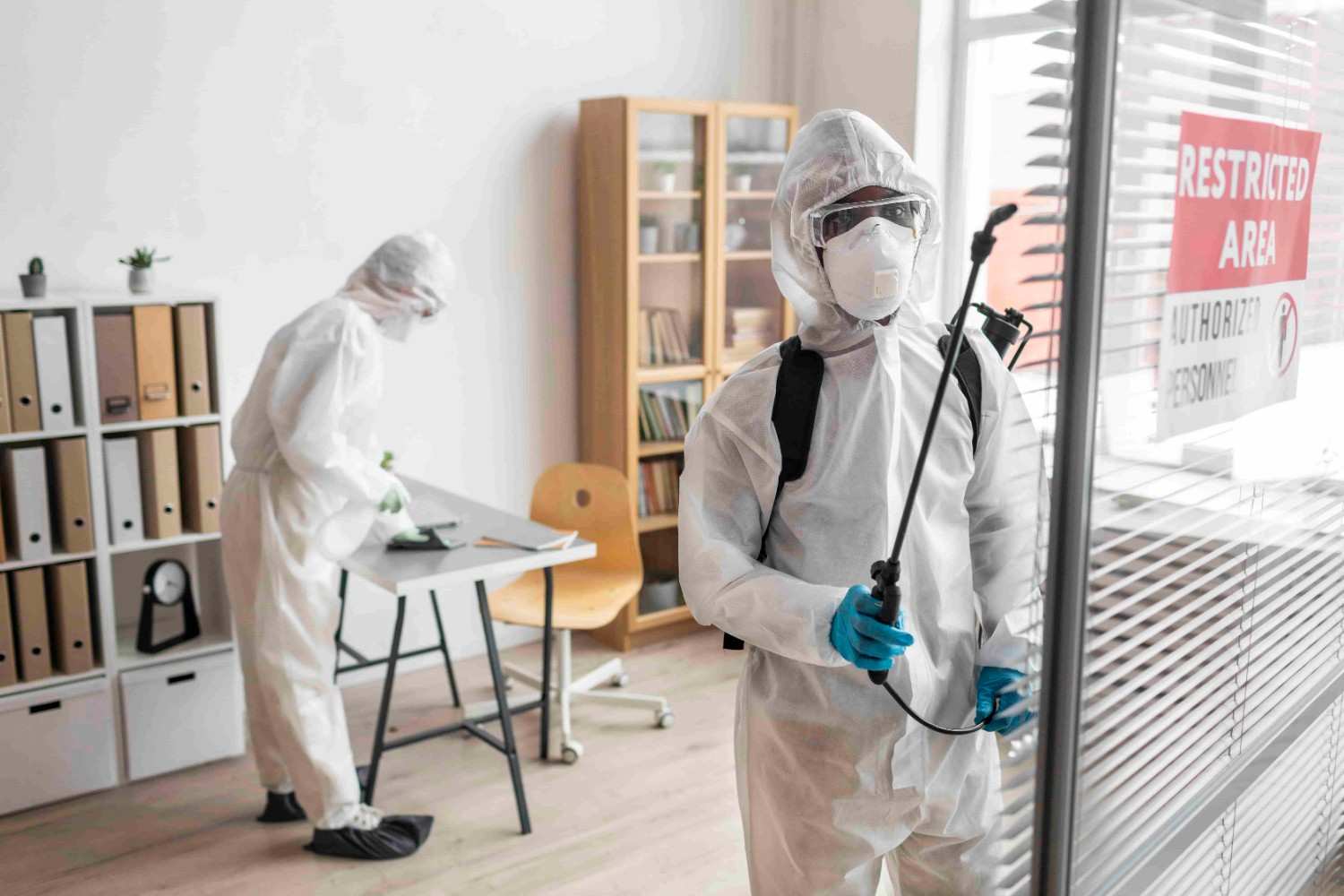
| Scope | Diagnostic: documents findings and recommends next steps. | Hands-on: uses specialised techniques and approved products applied safely by trained technicians. |
Why You Need Both
Neither service replaces the other. An inspection that finds termites but is not followed by treatment leaves the colony free to keep feeding. Treatment without a proper inspection is guesswork, and it risks the wrong method for the wrong species.
This is also why DIY sprays often disappoint. Retail products may kill a few visible workers, but they rarely reach the nest, and they can disturb the colony without eliminating it. Combining termite inspection and treatment under one coordinated plan ensures the colony is located, the right method is chosen, and the result is checked.
When Should You Book an Inspection?
Arrange an inspection promptly if you notice any of the following:
- Mud tubes on walls or foundations.
- Piles of discarded wings, especially after rain.
- Hollow-sounding wood or crumbling drywall.
- Doors and windows that suddenly stick.
- Unexplained cracks or exit holes in timber.
An inspection is also sensible before buying or renovating a property and as a routine check for older homes where timber features raise the risk. Because termites often work undetected for long periods, a clean result is still valuable. It confirms your property is currently clear and gives you practical prevention advice.
What to Expect from Action Pest
Action Pest Management Pte Ltd offers pest control services for both residential and commercial properties all around Singapore, 24 hours a day. Our process consists of three clear steps:
- Inspection and planning: We evaluate foundations, wooden fixtures, and moisture-prone areas, then build a treatment plan specific to your property.
- Execution and monitoring: Treatment is carried out using authorised methods, followed by regular monitoring.
- Review and follow-up: We assess the outcome and provide protective guidance to keep termites from returning.
Each step is explained clearly, so you understand what is happening and why. Our approach to termite inspection and treatment keeps the two services connected so that findings from the first guide the decisions in the second.
Preventing a Return
Treatment resolves the current problem, and prevention keeps it resolved. A few habits make a real difference:
- Fix leaks and reduce moisture sources.
- Limit direct contact between timber and soil.
- Seal potential entry points.
- Schedule regular inspections, particularly for older or landed homes.
Prevention measures are most effective when they come from the findings of an actual inspection, because they address the conditions specific to your property.
Get Expert Help Today
Termite damage compounds quietly, so small signs deserve attention. Whether you need a diagnosis or a solution, arranging a termite inspection that Singapore residents and businesses can rely on is the sensible first step.
Contact Action Pest at +65 9779 1626 or enquiry@actionpest.com.sg to book an inspection. The sooner activity is found, the easier it is to manage.