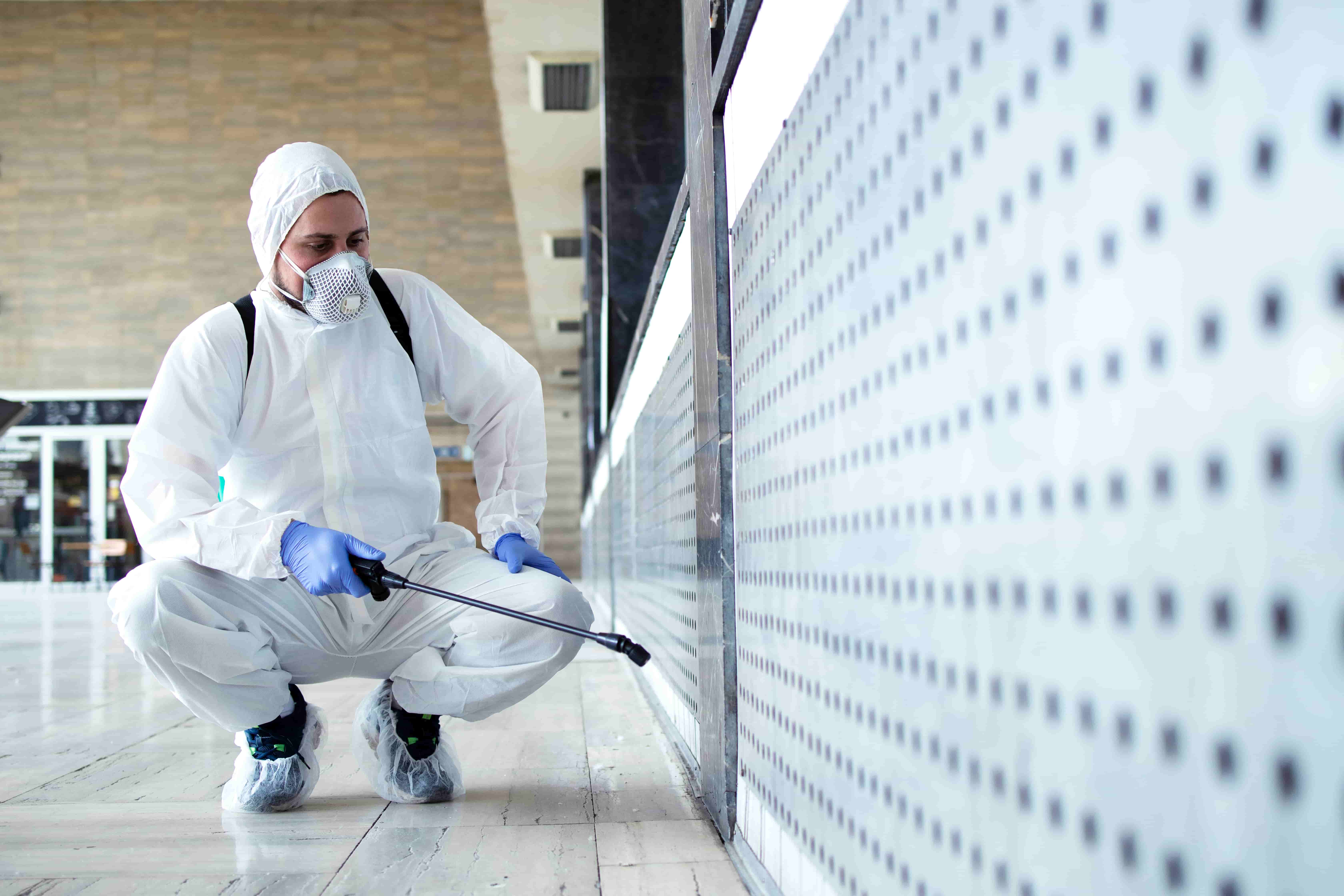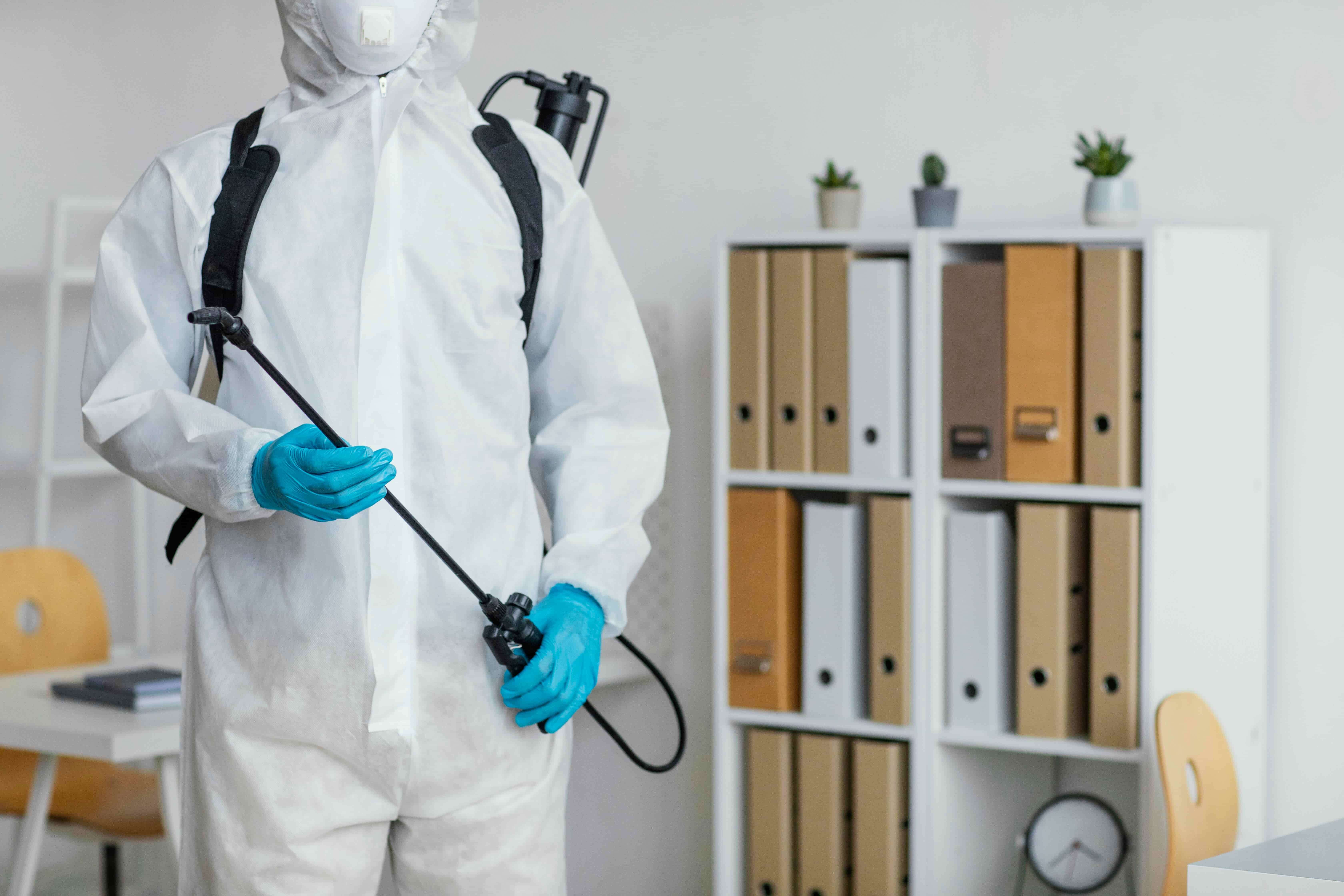
Termites are generally undetectable until they cause major destruction, by which time your property could be under attack for many months. This is one reason why termites make up some of the costliest pests to homeowners and businesses throughout Singapore.
Applying effective subterranean termite treatment will destroy the active termite colony and prevent any future infestations. Being aware of how termites behave and knowing what to watch out for are key components in this process.
This guide explains how subterranean termites function, identifying termite infestations, methods for the treatment of termites, and the importance of inspections as one of the effective ways of protecting your investments in Singapore.
What Are Subterranean Termites?
The subterranean termites are found in the soil and do not feed on the wood in which they are. They are thus quite distinct from the drywood termites, which make nests within the wood. The subterranean termites require contact with soil for survival. Therefore, they construct small mud tubes through which they move from the soil to the source of food. Most of the time, the source of food happens to be the wood in your house.
The most common type in Singapore is the Asian subterranean termite. Its scientific name is Coptotermes gestroi. This species of subterranean termites is highly aggressive and reproduces very quickly.
Why They Thrive in Singapore
- Constant hot and humid weather conditions throughout the year
- Moisture levels through rainfall, leakages, and poor drainage
- Housing estates with wooden materials in contact with soil
- Landed houses with garden areas, wooden decks, and old trees
Signs of a Subterranean Termite Infestation
Subterranean termites usually remain out of sight until the destruction becomes severe. It is important to know how to recognise the initial signs to make proper arrangements for extermination.
Mud Tubes on Walls
These termites create thin mud tubes that allow them to move from their nest to their food sources without being harmed. The tubes may be seen on walls, foundation, pillars, or ceilings.
Hollow Wood
Tap any wood in your house, like the one used for your furniture, flooring, or doors. It will sound hollow or papery because the termites have consumed the inner part.
Warped Doors and Windows
As termites chew up the wood, it warps and swells. It leads to difficulties with opening or closing doors and windows.
Discarded Wings
After finding a suitable place for forming a new colony, flying termites discard their wings. Piles of wings around windows, doors, or lights are an indicator of termites’ activity.
Bubbling Paint
Termites can create their tunnels underneath the paint, which leads to its bubbling. It resembles the water damage and, therefore, is not always noticed by homeowners.
Why a Professional Inspection Matters
Termites are usually concealed in walls and below floors and the ground surface, making it hard for one to notice them. Visible signs can indicate their presence, but they do not show how severe the infestation is. A professional termite inspection allows one to know about concealed activities of the termites as well as factors favourable for termites.
During the inspection, technicians typically check:
- Roof spaces
- Timber structures
- Wall voids
- Floor joints
- Skirting boards
- Garden areas
- Soil around the property
- Outdoor timber
The findings help determine the most effective solution for your property.
Professional Termite Treatment Methods Used in Singapore
The most effective way depends on the degree of infestation and the construction of your building. A professional termite treatment expert will advise you based on the results of the inspection.
Termite Baiting System
Baits lure worker termites that take the slow-acting termiticides into their colony. This eventually leads to the destruction of the whole colony.
Soil Termiticide Treatment
Liquid termiticides are applied to the soil surrounding the foundation, creating a protective barrier. They kill termites passing through this area, spreading the treatment in the colony.
Corrective and Spot Treatment
The method is aimed at particular places with termite presence. This treatment is useful for localised infestations.
Pre-Construction Soil Treatment
This soil treatment is done before construction begins. It forms a barrier against termite infestations in new buildings.
What Happens During a Termite Inspection
An effective inspection is always the foundation of any treatment process. This is what takes place during the process.
- Visual Check: The technician inspects walls, skirting boards, windowsills, and wood for signs of infestation.
- Use of detection equipment: Modern pest control companies use technologies such as thermal imaging or moisture detection devices to detect infestations that might be concealed behind the walls and floors.
- Identification of species: It is crucial to distinguish between the species of termites since there are significant differences between treatments for subterranean and drywood termites.
- Treatment suggestion: Based on the results of their inspection, the technician suggests a course of action.
Choosing a Termite Treatment Company
Choosing the right termite treatment company is just as important as the treatment itself. An experienced provider can recommend the right solution and help protect your property for the long term.
Check on Proper Licensing
Make sure the company has a proper license issued by the National Environment Agency (NEA). It will mean that the firm complies with pest control standards in Singapore.
Look for Termite Treatment Experience
Find a company that is experienced in the treatment of subterranean termites. Specialisation always means more success.
Inquire About the Warranty
Any good pest control company will have its services covered by the warranty. It will give you an additional guarantee against termite infestation in case of any problem.
Compare Prices Carefully
Make sure the company performs an inspection before issuing the quotation. It will make sure that the service is customised to your property.
Common Mistakes Homeowners Make
Even minor termite infestations can escalate into expensive repairs if not addressed. Avoiding some of the following simple yet common mistakes may keep your property protected from extensive damage.
- Overlooking the first warning signs: Mud tubes, hollow wood and shed wings are signs that should never be ignored.
- Postponing inspection: It gives the colony time to develop and cause additional damage.
- Using do-it-yourself sprays: They seldom get rid of the entire termite colony.
- Neglecting the subsequent inspections: Follow-ups are important to check whether the treatment is still efficient.
- Overlooking dampness: Damp spots on the property give termites favourable conditions to survive.
How to Prevent Future Termite Infestations
Prevention of termites is simpler than solving an infestation problem. There are several maintenance practices that could protect your property from termites throughout the year.
Reduce Moisture Around the Property
Ensure there are no leaky pipes and blocked gutters, which may lead to moisture buildup. Dampness will make the property less favourable for termites.
Keep Timber Away From Soil
Never place wood, cardboard or firewood directly on the ground. This way, the chances of a termite attack will be reduced.
Seal Entry Points
Wherever possible, seal up cracks in the foundations, walls and utility pipes. This will limit easy access to the property.
Trim Plants Near Exterior Walls
Remove plantings that are close to the external walls of the building since this improves air circulation. This also makes termite activity easier to detect.
Schedule Regular Inspections
Arrange routine inspections to detect termite activity before serious damage occurs. Early detection can save both time and repair costs.
Final Thoughts
Subterranean termite treatment does much more than eliminate the visible termite problem. This will assist in safeguarding your house from further destruction, preserving timber in structures, and avoiding expensive damage. The best way of addressing a possible infestation is by acting fast.
Also, proper maintenance and early detection of termites can go a long way in preventing a recurrence. By being able to identify the early signs, you can take care of the termites and keep your property safe from any future harm.