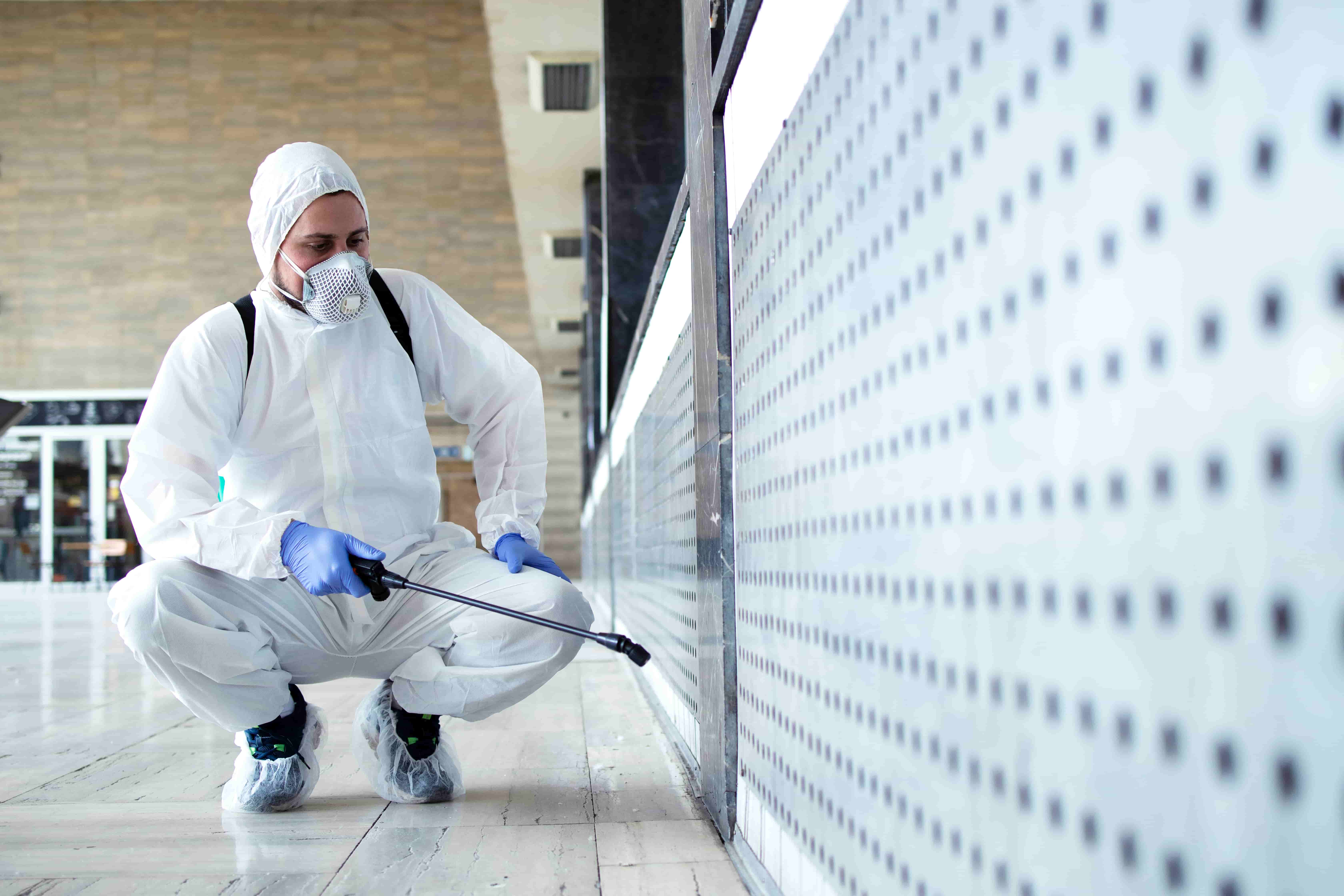
A single termite colony can chew through the wooden frame of your home without you noticing a thing. By the time most Singapore homeowners spot the damage, the termites have already been at work for months, sometimes years. That’s a scary thought, especially when you consider how much of Singapore’s housing stock includes timber structures, wooden flooring, and furniture that termites find irresistible.
A termite inspection catches the problem early, before it costs you thousands in repairs. In this guide, you’ll learn how to spot the warning signs, what draws termites to your property in the first place, and the prevention steps that actually work.
Why a Termite Inspection Matters
Most pests leave obvious indications. Termites are an exception. They do their job secretly within walls, wooden joists and floors. They usually stay out of sight until the destruction is done.
The warm and humid weather of Singapore provides excellent breeding conditions for termites at all times of the year. For this reason, regular inspection is one of the best methods of protecting your property.
It allows you to:
- Spot termite infestation early on
- Avoid expensive repairs
- Protect wooden furniture and fittings
- Lower the chances of infestation
- Take measures beforehand
Homeowners usually discover signs of infestation after some time. But by then, the termites would have been feeding for several months already.
Types of Termites Found in Singapore
All termites are not similar, and thus, it is essential to identify the kind of termite you are encountering.
The subterranean termites reside in the soil, forming colonies containing millions of members. These termites move from one place to another through mud tubes and are responsible for causing the maximum destruction encountered in Singapore buildings.
The drywood termites nest in the wood they eat and do not need soil at any point in time. These kinds of termites are rare in the local area, but they can be very destructive to the furniture and wooden fittings.
Since the subterraneans are the main culprits behind the maximum cases in Singapore, the termite expert would start with checking the soil contact points first.
Common Signs of a Termite Infestation
Although termites remain out of sight, they are not difficult to detect based on their presence. Knowing about the symptoms can enable you to get an inspection done before they cause any significant damage.
Mud Tubes
The mud tunnels that Subterranean Termite colonies construct for themselves along walls, foundations, and other areas are evidence of active termites.
Hollow Sounds
Tapping your wooden doors, furniture, or skirting board can give you some indication of whether termites have hollowed out the interiors without damaging the surface.
Wings
Small heaps of wings near window panes and other lighted areas mean the winged termites have formed a new colony there.
Buckling Paint and Warped Wood
If there are no obvious water leaks but bubbling of paint or warping of the wood, there may be hidden termite damage present.
Frass (Droppings)
Drywood termites tend to leave droppings which resemble tiny pellets on wooden furniture or skirting boards.
What Causes Termite Infestations?
Termites are always searching for food, moisture, and shelter. Knowing what attracts them can help you reduce the risk of an infestation before it starts.
Moisture Build-Up
The wet conditions provide the ideal breeding grounds for termites, particularly Subterranean Termite nests.
- Pipe leaks
- Bad drainage
- Wet walls
- Humid crawlspace
It pays to deal with moisture issues before your house becomes termite bait.
Wood-to-Soil Contact
Termites have direct access to your property through wood that comes into contact with the soil.
- Wooden fences
- Supports for decks
- Door frames
- Sleepers in gardens
Keeping wood away from the soil denies them easy access.
Cellulose-Rich Materials
Cellulose is used to make several common household items.
- Firewood
- Cardboard boxes
- Old newspapers
- Unseasoned wood
Keep these items away from the walls of your house to reduce the chances.
Cracks in Foundations
Small openings may be enough to give the termites access.
- Cracks in the foundation
- Spaces around pipes
- Wall connections
- Blemishes in concrete
Closing these openings will prevent termites from entering your premises.
How a Professional Termite Inspection Works
Termite inspection is an extensive process that aims at checking for visible and concealed indicators of termites’ existence in your property. It will enable early detection and identification of vulnerable places.
Initial Check-up
Areas that can be easily accessed, such as skirting boards, door and window frames, and wooden furniture, are checked for signs of termite damage or activity.
Moisture Evaluation
Since termites are attracted to moist places, the moisture level is evaluated to identify potentially risky spots.
Inspection of Soil and Foundation
This entails inspection of the exterior of the property, where the technician checks for the presence of mud tubes, foundation cracks, and wood-soil contact, which could facilitate termites’ entry into the property.
Inspection of Concealed Places
Places that are difficult to reach are also inspected since termites usually hide in such places.
Reports and Recommendations
After the inspection is complete, you are given a report containing the results of the evaluation and recommendations concerning termite control in Singapore, if need be.
Termite Control in Singapore: Treatment Options
If an inspection finds active termites, the right treatment will depend on the species, the size of the infestation, and the colony’s location. A termite specialist in Singapore will recommend the most suitable solution.
Baiting Systems
Worker termites are drawn to bait stations, where they take the treatment and bring it back to their colony, thus eventually eliminating their nest.
- Works on the whole colony
- Effective against termite infestations
- Doesn’t cause any disturbance
This is a long-term solution to the termite problem.
Liquid Termiticide Treatment
The use of liquid termiticide on the property’s foundation creates a barrier to termites.
- Prevents termites from accessing the property
- Keeps soil-contact areas protected
- Long-term protection
It is widely used on properties that have high termite risks.
Wood Treatment
The wood treatment technique involves treating termites that have already infested wood material.
- Application directly on the wood that is affected
- Best suited for drywood termites
- Also helps prevent any additional damage to the wood
This type of treatment is best for localised infestation in wood materials.
Most termite specialist in Singapore will recommend a combination of these methods depending on the species involved and the extent of the infestation.
Prevention Tips That Actually Work
Prevention is far cheaper than treatment, and most of these steps take little effort to maintain.
- Fix leaks quickly: Repair dripping pipes and poor drainage before moisture builds up near your foundation.
- Keep wood away from soil: Store firewood, timber, and garden stakes off the ground and away from exterior walls.
- Ventilate damp spaces: Improve airflow in crawl spaces, basements, and bathrooms to reduce humidity.
- Seal foundation cracks: Fill gaps in concrete or masonry promptly to close off potential entry points.
- Schedule regular inspections: An annual or biannual inspection catches problems long before they become expensive.
Final Thoughts
Termite infestation normally does not present itself with visible evidence of damage. In almost all cases, it will take a couple of months of termite existence before any visible evidence presents itself.
Termite inspection goes a long way in helping identify termite infestation at an earlier stage. This helps ensure the safety of the structure in addition to giving important information on how to prevent termite attacks in future. Regardless of whether one owns a house, office or business premises, it always pays off well to be on the safe side when dealing with termite infestation.